Heating System
Furnace vs. Heat Pump: Which Heating System Is Actually Right for You?
8 mins
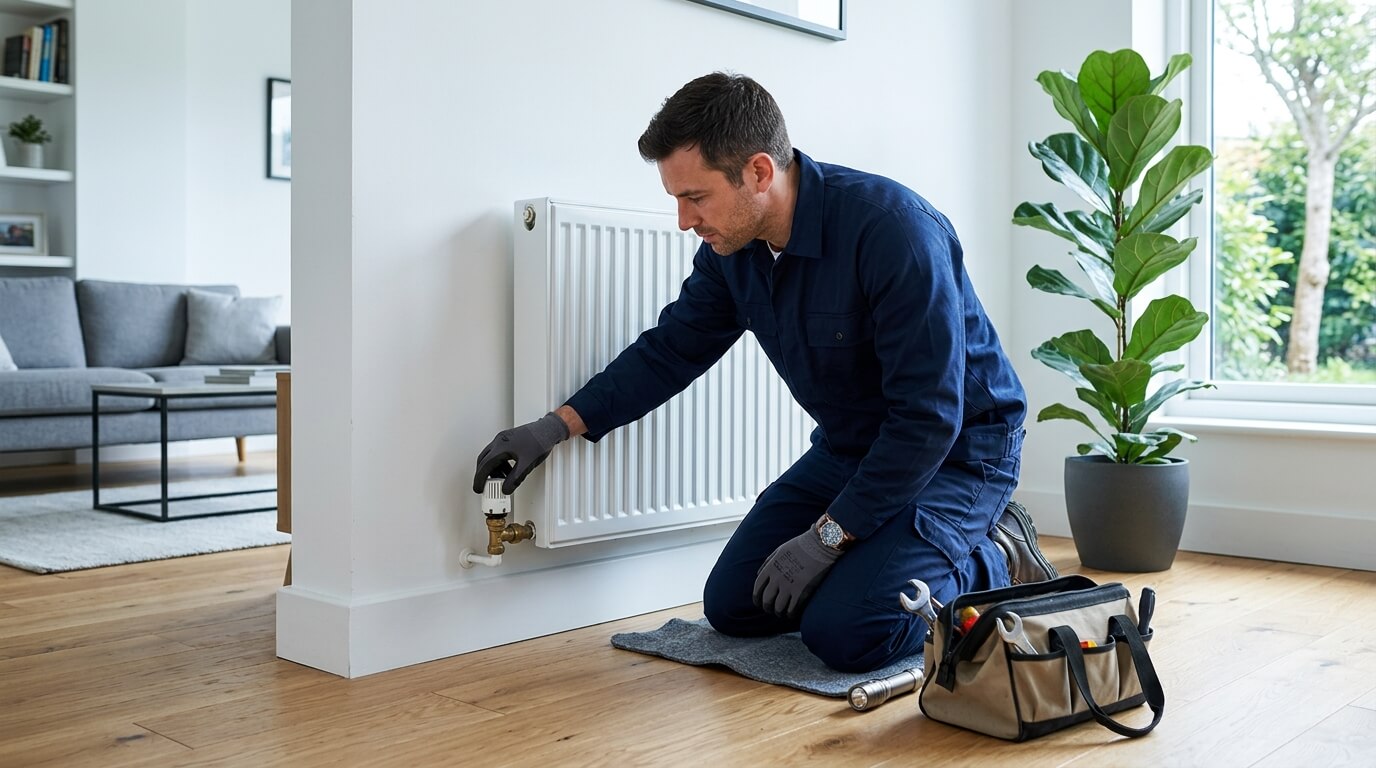
When it's time to replace a heating system, most homeowners find themselves choosing between two main options: a traditional furnace or a heat pump. Both can keep a home comfortable through winter, but they work in fundamentally different ways, and the right choice depends heavily on your climate, budget, and existing setup.
How a furnace works
A furnace generates heat directly, typically by burning natural gas, propane, or using electric resistance heating, and then distributes that heat through ductwork via a blower fan. It's a tried-and-true technology that heats effectively even in very cold climates, and gas furnaces in particular can produce a lot of heat quickly.
How a heat pump works
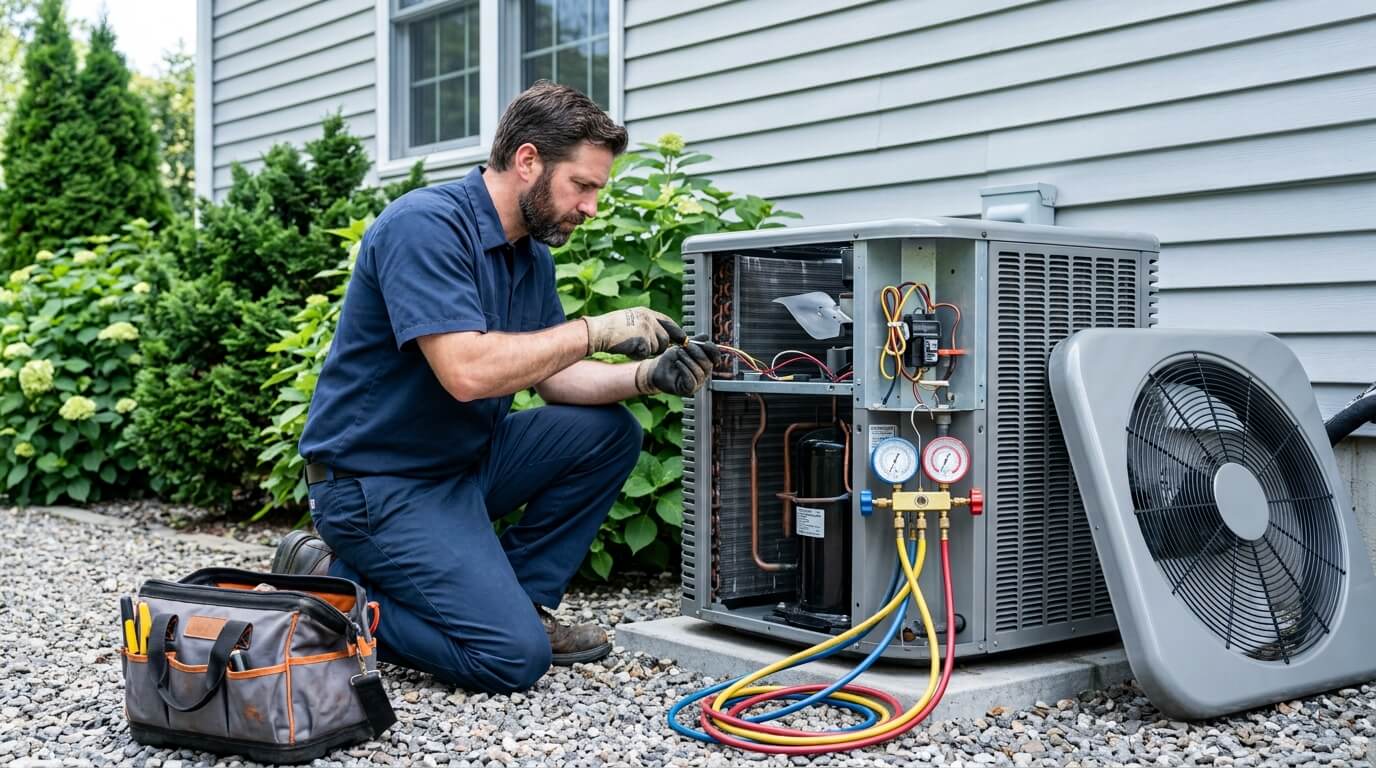
A heat pump doesn't generate heat the way a furnace does — instead, it moves heat. In winter, it extracts heat from the outside air (yes, even cold air contains extractable heat) and moves it indoors. In summer, it reverses the process and works as an air conditioner, pulling heat out of your home. This dual functionality is one of a heat pump's biggest advantages: one system handles both heating and cooling.
Efficiency and operating cost
Heat pumps are generally more energy-efficient than furnaces because they move heat rather than create it through combustion or resistance. In moderate climates, this can translate into meaningfully lower monthly energy bills. However, in very cold regions, older or standard heat pump models can lose efficiency as outdoor temperatures drop, sometimes requiring a backup heat source. Newer cold-climate heat pump models have significantly improved on this limitation and can now perform well even in freezing conditions.
Furnaces, particularly gas furnaces, tend to have lower upfront equipment costs but can be more expensive to run month to month, depending on local energy prices and your region's gas versus electricity rates.
Upfront cost and installation
Furnaces are typically less expensive to purchase and install, especially if you already have existing ductwork and gas lines in place. Heat pumps often carry a higher upfront cost, though this gap has been narrowing, and many regions offer rebates or tax incentives for heat pump installations due to their energy efficiency and lower emissions.
Climate considerations
This is often the deciding factor:
Mild to moderate climates: Heat pumps tend to be the more efficient, cost-effective choice year-round, since they rarely have to work against extreme outdoor temperatures.
Cold climates with harsh winters: A furnace, or a heat pump paired with a furnace as backup (a "dual fuel" system), is often the more reliable choice, ensuring consistent heat even during extreme cold snaps.
Areas without natural gas access: Heat pumps become a much more attractive default option, since they run on electricity alone and avoid the cost of extending gas lines.
Lifespan and maintenance
Furnaces typically last 15–20 years with proper maintenance. Heat pumps run for both heating and cooling seasons, which means more annual operating hours — they generally last 10–15 years, though this varies with maintenance quality and climate demands.
Environmental impact
Heat pumps produce no direct emissions at the point of use, and their efficiency generally means a smaller overall carbon footprint compared to combustion-based furnaces, particularly as electrical grids incorporate more renewable energy.
So, which should you choose?
There's no universal answer — it depends on your specific climate, your home's existing infrastructure, local utility rates, and available incentives. A professional load calculation and consultation can pinpoint which system (or combination of both) will actually perform best and cost least over its lifetime in your specific home. Given how much the upfront and long-term costs can vary by region, this is a decision worth getting expert input on rather than guessing.
Other Journals
Keep reading

Call now for same-day service or book online in under 2 minutes. Licensed, insured, and satisfaction guaranteed.
Ready to get comfortable again?
wORKING HOURS
Mon – Fri: 8:00 AM – 6:00 PM
Saturday: 9:00 AM – 3:00 PM
Sunday: Closed (Emergency service available)
operating areas
Illinois, Missouri, Indianan, Iowa and surrounding communities within a 25-mile radius
Address
128 Maple Ridge Avenue,
Suite 4, Springfield, IL 62704
Phone
© 2026 Callout, designed by Samuel Tengan